
For nearly four decades, M. Whitfield has been a well-known name in American digestive health. A board-certified digestive health specialist who has spent her career in clinical practice and research, she has personally worked with over 14,000 patients dealing with chronic constipation, IBS, diverticulitis, leaky gut, and severe digestive disorders.

M. Whitfield
Board-certified digestive health specialist · 38 years of practice · 14,000+ patients treated
Last month, Whitfield agreed to sit down with me for an on-the-record interview. What she told me is a perspective she says she wishes more of her colleagues talked about openly.
"I've held back from saying this plainly for too long," she said. "A lot of women over 45 are struggling with problems that start in the gut, and in my experience many practitioners are focused on the symptom rather than the cause. In my view, far fewer of them look closely at which bacteria have quietly taken over the balance inside the intestines."
The views and recommendations below are Whitfield's professional opinions, based on her own clinical experience. They are not a substitute for personalized advice from your own healthcare provider. Always talk to your doctor before changing anything about your health routine.
The discovery she can't forget
Whitfield leans forward, choosing her words carefully.
"She was 58 years old. A schoolteacher from Akron, Ohio. Married, three grown kids, six grandkids. She'd been dealing with what her family practitioner called 'normal aging' - bloating, irregular bowels, low energy, brain fog. Nothing alarming on paper."
"She took fiber supplements. Drank her water. Followed every single thing her practitioner told her for over 12 years."
"Then one Tuesday morning, her husband woke up to find her collapsed on the bathroom floor. By the time the ambulance arrived, it was too late. The cause of death recorded was acute septic shock from a perforated colon."

She pauses.
"During the examination, I found something that stayed with me. A large amount of compacted, darkened waste material adhered to the walls of her large intestine. Not feces in the way most people picture it. It was a thick, leathery bacterial coating built up along the intestinal wall."
Reference
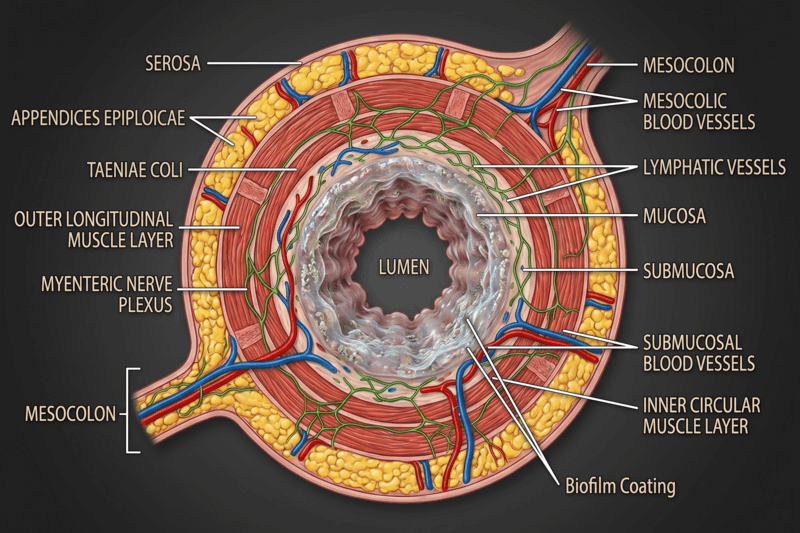
In Whitfield's view, the underlying issue here wasn't simple constipation. It was a slow takeover of her gut microbiome that, she believes, had been developing for years, long before she ever felt unwell enough to call it a problem.
"And here's what I want every woman over 45 to understand," Whitfield said. "She had no idea this was developing. Her blood pressure looked normal. Her cholesterol was fine. Her practitioner told her she was 'aging well.'"
"In my opinion, that bacterial overgrowth had been affecting her quietly for years. And I think there's a real chance something similar is developing in a lot of women who feel mostly fine."
The 11 warning signs many women over 45 overlook
"In my 38 years," Whitfield continues, "I've come to recognize a fairly specific cluster of symptoms that, in my experience, often points to the same thing: an overgrowth of methane-producing bacteria in the gut that's slowing normal bowel function down."
She wanted me to write them all down. Here they are.
- 01Bowel movements less than once a day, even when you "feel like you should go."
- 02Hard, dry, pellet-like stools that take real effort to pass.
- 03Bloating that gets worse as the day goes on, your belt feels tighter at dinner than at breakfast.
- 04Excessive gas that's foul-smelling and sometimes painful to hold in.
- 05That "never quite empty" feeling after using the bathroom.
- 06Brain fog and afternoon fatigue that hits like a brick wall around 2 PM.
- 07Skin breakouts, dullness, or rashes that came out of nowhere after age 45.
- 08Dull lower-back ache specialists can't explain.
- 09Sudden food sensitivities to things you used to eat fine.
- 10Bad breath that won't go away no matter how often you brush.
- 11Unexplained weight gain around the midsection, even when you eat the same as always.
"If you said yes to three or more," Whitfield said, "I'd encourage you to keep reading. In my view, what's going on is often more involved than the usual 'just drink more water' explanation suggests."
How gut dysfunction spreads through the body
- 11 symptoms, 1 root cause -
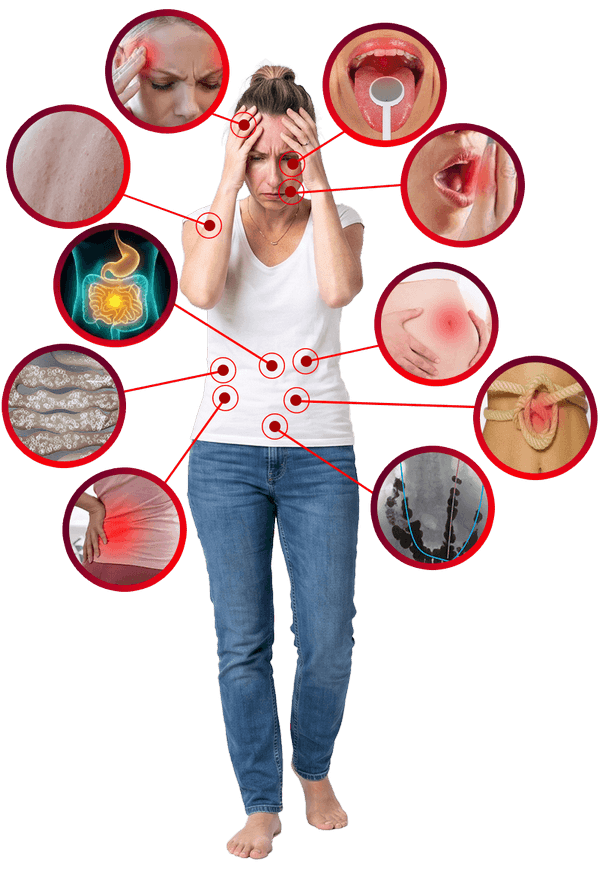
In Whitfield's view, most of these symptoms trace back to one underlying imbalance in the gut microbiome, which is why she focuses on the source rather than each symptom on its own.
The patients she will never forget
Whitfield, what actually happens to people who don't address this in time?
"I'll share two cases. I won't use real names. But every detail is what actually happened."
Case №1 · "Carol" · Cleveland, OH · Age 61
Carol was a retired schoolteacher. Three grown sons, one of whom is a paramedic. She came to Whitfield complaining of "stubborn constipation." That was her exact word, stubborn. Like it was a mild inconvenience.
She'd been taking over-the-counter laxatives almost daily for seven years. Senna pills. Stool softeners. Magnesium citrate when things got really bad. Her family practitioner had told her to "drink more water and eat more salads."
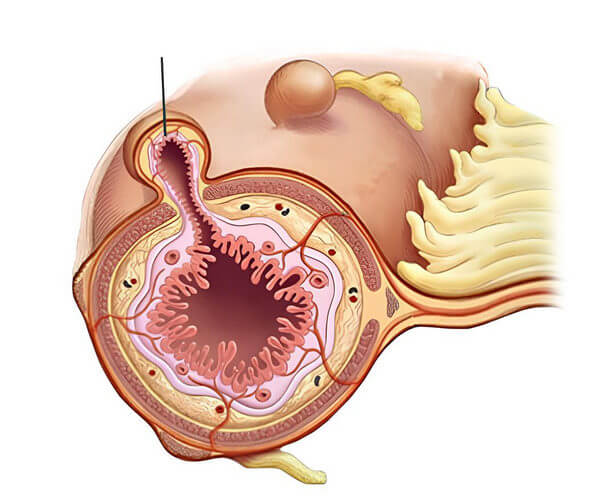
By the time she got to Whitfield, her colon was significantly distended and packed with hardened material. On the X-ray it showed up as a dense, near-solid mass. The estimate was roughly 14 pounds of impacted waste. Her bowel walls had developed diverticula, small pouches where waste collected and bacteria built up.

And the worst part? She told Whitfield afterward, sitting in the recovery room with tears running down her face: "If I had known, I would have done anything. Anything. I just thought it was something old people deal with."
Case №2 · "Diane" · Tulsa, OK · Age 54
Diane was a long-haul trucker. Tough woman. Never complained about anything. Her husband dragged her into the ER one night because she'd been doubled over with abdominal pain for two days and he thought it was appendicitis.

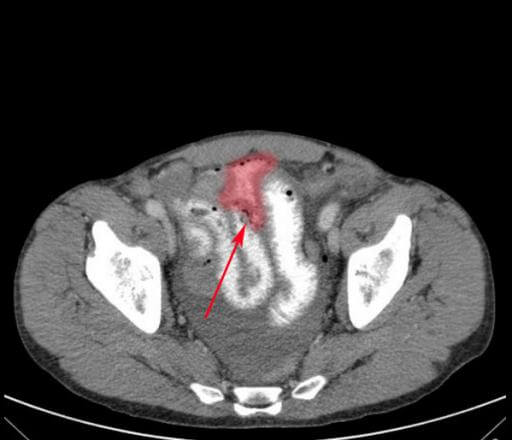
It wasn't appendicitis. It was septic shock from a perforated colon. Bacteria from her backed-up gut had passed through the intestinal wall and reached her bloodstream. By the time she was on antibiotics, she was in a genuinely critical condition.
Reference
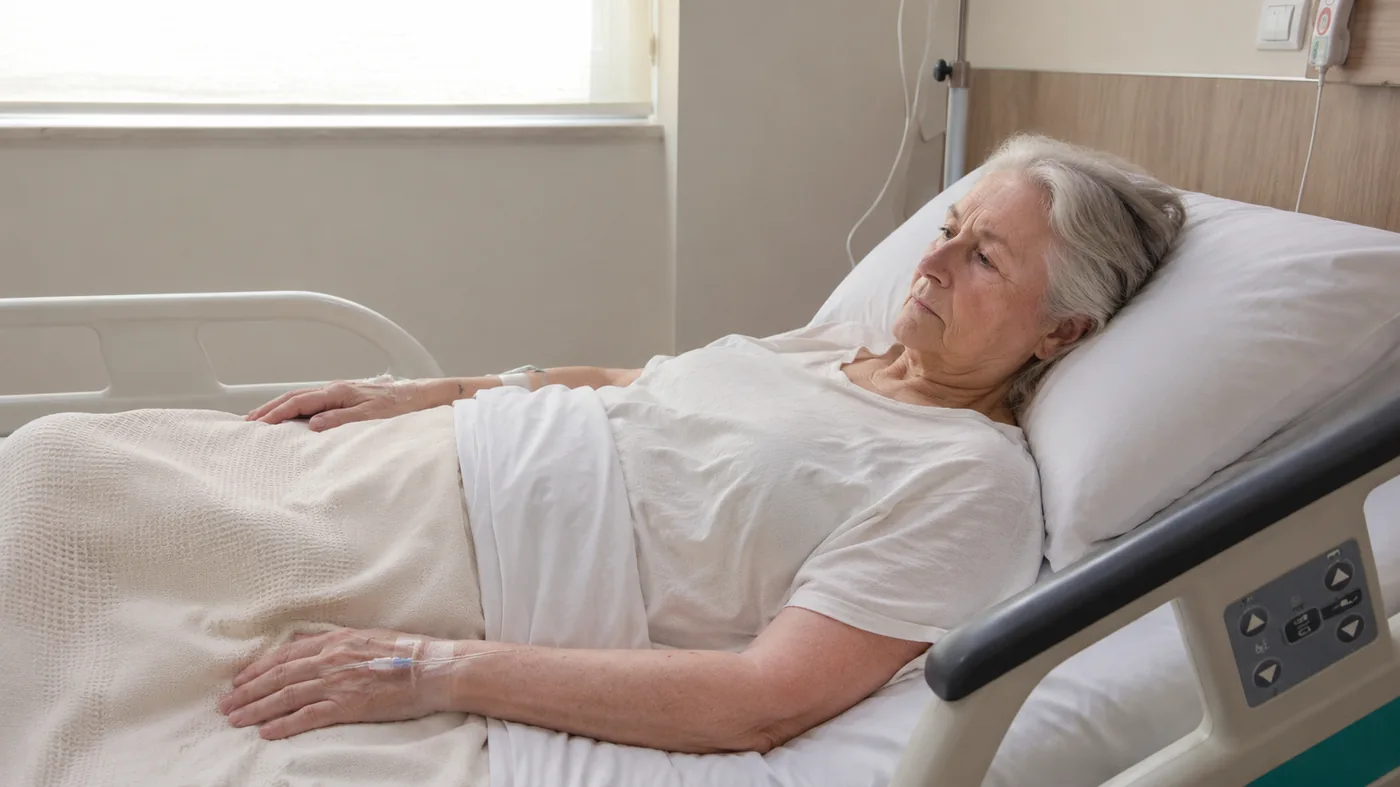
She survived. Barely. Twenty-three days in the ICU. Over 40 lbs lost. Permanent kidney damage. Her trucking career, over. Her husband took a second job to cover the medical bills.
And it can go further
Beyond perforation and sepsis, chronic gut dysfunction in adults over 45 has been discussed in the research literature in connection with several other conditions:
Type 2 diabetes. Hypertension and cardiac events. Autoimmune flare-ups such as psoriasis, eczema and Hashimoto's. Mood and cognition through the gut-brain axis. Researchers have explored links between gut health and all of these, which is part of why Whitfield feels the topic deserves more attention.
"And here's the part I wish got more airtime," Whitfield said. "In my experience, very little of this comes up at a routine annual physical."
Why isn't this talked about more?
If this is so common, why isn't it a bigger part of the conversation?
Whitfield thought about it. "It's a question I've sat with for years. Part of the honest answer, in my view, is that the system is mostly set up around managing symptoms, not investigating the underlying cause."
"The U.S. laxative category is large, stool softeners, fiber powders, motility products. Most of these are designed to do one thing: help move waste through faster. For a lot of people they do offer temporary relief. But they're not really aimed at the bacterial imbalance taking hold in the gut in the first place."
A product that offers short-term relief and a product that helps address the underlying issue are two different things, and most of the familiar options fall into the first category.
"Walk into any pharmacy and look at the digestive aisle. You'll see dozens of options, some of which have been around for decades. In my opinion, the reason the underlying problem hasn't gotten more attention isn't a secret, it's just that the focus has been on relief, not on the cause."
She added: "And it's not only products. A lot of clinicians, myself included for years, were trained mostly to manage symptoms. There's a routine to it, the colonoscopy, the prescription. Stepping back to ask what's actually happening to the bacterial balance in the gut, and how to restore it gently, just isn't where the usual workflow points."
"That's why I think it's worth talking about openly."
The hidden enemy
So what IS actually overrunning the inside of people's guts? What did your colleagues miss?
"Two words," Whitfield said. "Methanogenic overgrowth."
"Most people, even most specialists, don't understand what this is. So let me explain it the way I'd explain it to my grandmother."
"Inside your large intestine, you have trillions of bacteria. Most of them are good. But somewhere around your mid-40s, earlier if you've been on antibiotics, eaten a lot of processed food, or taken acid blockers, that balance starts to collapse and a specific kind of microorganism takes over. It's called an archaeon, and it produces large amounts of methane gas."
"These methane producers don't just live in your gut. They build a fortress."
"They secrete a sticky polysaccharide matrix that adheres to the inner wall of your colon. Over months and years, this matrix accumulates trapped waste, dead cells, and more of the same bacteria. It builds up into what we call a methanogenic biofilm, a leathery, blackish coating that can be over a quarter-inch thick by the time someone's in their late 50s."
Here's why it matters so much
1. It can physically interfere with peristalsis. Your intestines are supposed to contract in waves to move waste along. A heavy methanogen biofilm layer makes the walls less responsive, so the contractions don't grip as well. In this view, constipation isn't simply a "lack of fiber" problem, it's closer to a microbial one.
2. The methane itself can slow the bowel. Research from the Cedars-Sinai Motility Lab reported in 2018 that methane gas can slow the smooth muscle of the intestine. More methane-producing strains tends to mean more methane, which can mean slower transit, a self-reinforcing loop.
3. The barrier underneath can be affected. Over time, biofilm can wear on the protective mucosal layer beneath it. When that barrier is compromised, bacteria and inflammatory compounds can pass through more easily, often discussed under the term "leaky gut," and associated with brain fog, joint discomfort, skin issues and ongoing inflammation.
This is, in Whitfield's view, why laxatives and fiber often fall short. They may move waste through once, but they generally leave the bacterial imbalance in place. The methanogens remain, the wall stays coated, and within a couple of days many people are back where they started.
The real chain of damage
Push waste through once. Don't touch the methanogens. Problem returns in 48 hours.
Methane-producing bacteria take over the gut, coat the intestinal wall with biofilm, and release methane that paralyzes peristalsis.
A daily gut-health formula that calms the methanogen overgrowth, clears the biofilm, restores natural contractions.
What changed for her around 2021
"For most of my career," Whitfield said, "I knew about biofilms and methanogens. But I didn't have a tool I felt good about giving patients. The pharmaceutical options were rough, long antibiotic courses with difficult side effects, and the methane producers often came back anyway."
"Then around early 2021, a colleague sent me a case report. She'd been studying the gut microbiomes of populations where chronic gut disease seemed historically less common, and the specific plants and botanicals their traditional diets were rich in. What she described got my attention."
"The idea was a specific combination of botanical and metabolic actives intended to do three things together: calm the methane-producing overgrowth that feeds the biofilm, ease the bloating it causes, and gently restore natural intestinal contraction and metabolism, without harsh stripping and without building dependency. In my clinical experience since then, many patients have responded well, though everyone is different."
What the formula is

The product is called FlatFemme. A small-batch daily gut-health debloat formula for women, produced exclusively in the United States. It is not sold in pharmacies, drugstores, or on Amazon, and that's intentional.
What makes FlatFemme different from a typical laxative or fiber supplement, in Whitfield's view, is the goal behind it: rather than just moving waste along, its blend of Black Cumin Seed, Green tea extract, Chromium, and Vitamin B12 is designed to calm the methane-producing overgrowth and starve out the underlying biofilm over time, easing the bloat and letting the bowel move on its own. She describes it as "the formula I've found that comes closest to addressing what I believe is the actual root of chronic gut trouble in many adults over 45."
She's now suggested it to over 600 of her own patients. "The feedback has been, in a word, encouraging, though I always remind people results vary from person to person."
How you use it
"Beautifully simple. That was important to us."
- 01Take 2 FlatFemme capsules once a day and swallow them with water.
- 02The optimal time to take it is 15-30 minutes before one of the main meals.
- 03Choose the largest meal of the day, the meal with the highest fat or calories. That's the entire protocol.
"You don't need to change your diet. You don't need to fast. You don't need to do anything heroic. The active botanicals go to work whether you're eating a salad or a bacon cheeseburger. Just take FlatFemme daily for the recommended course."
Week by week, what to expect


*Individual results may vary.
Three of Whitfield's patients, in their own words
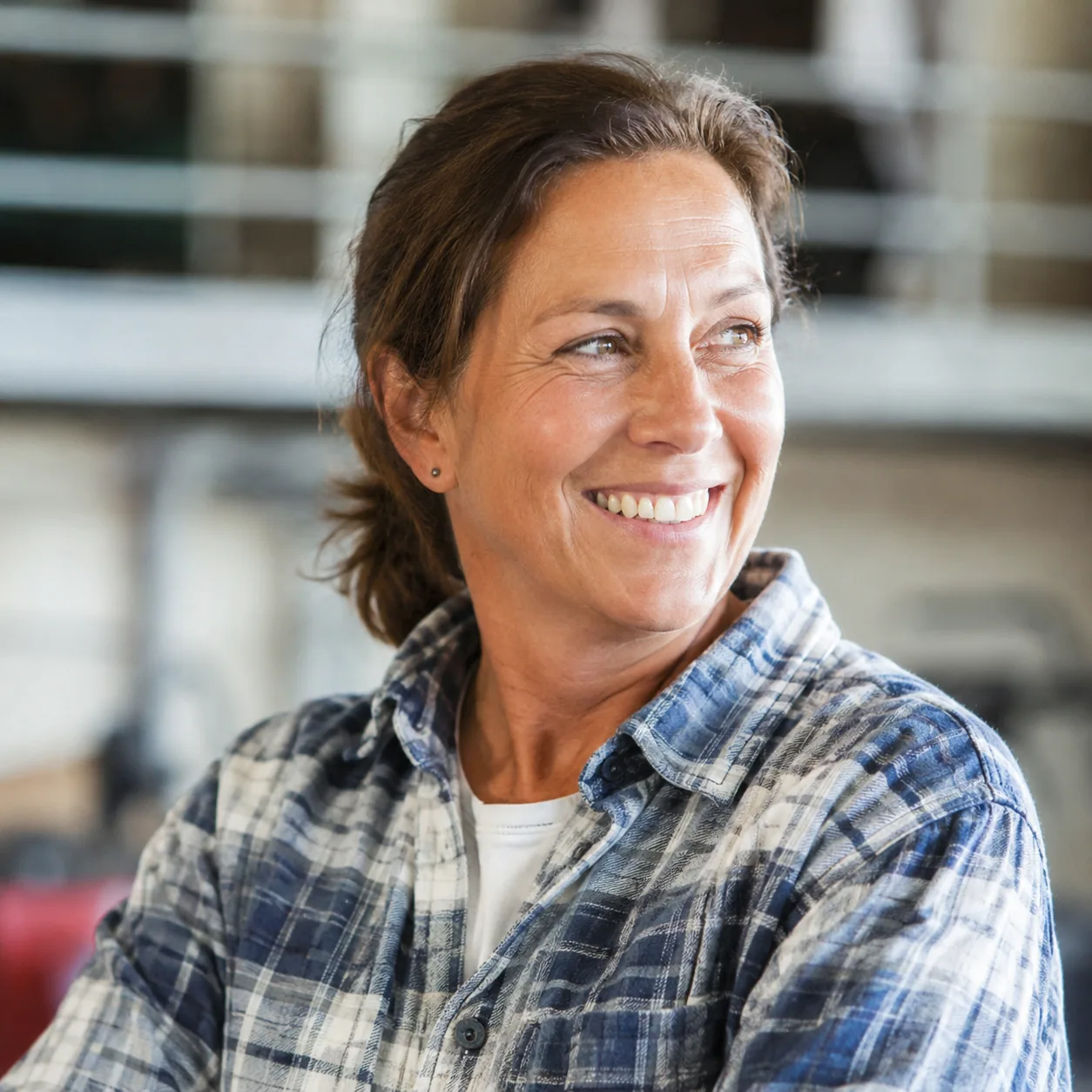
P. Martinez, 62 · Houston, TX
Retired nurse
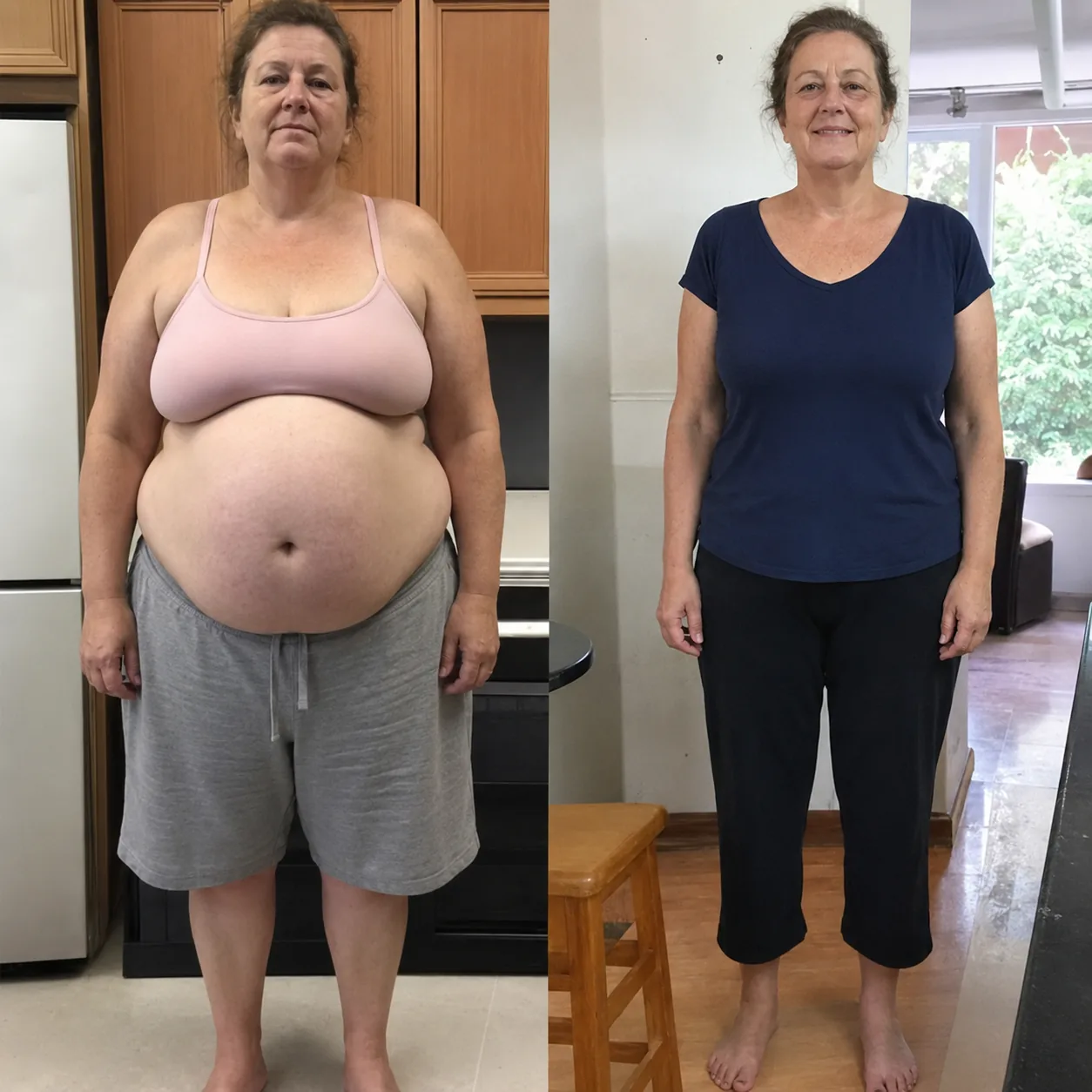
I had been on Miralax for almost fifteen years. I just thought that was my life, once-a-week bathroom trips, constantly bloated, low energy. Three days into taking FlatFemme I went to the bathroom like a normal person. By week two I'd dropped the Miralax completely. By week six I was wearing jeans I hadn't fit into since my 50s. I cried in the dressing room.

F. Russo, 57 · Pittsburgh, PA
Diner owner
I'm not a capsule gal. I drink coffee. But I was up to a six-pack-a-week of stool softeners and the specialist was talking about a colonoscopy. Two weeks on the capsules, my afternoon brain fog - gone. Three weeks later, regular every morning like clockwork for the first time since my 40s. My blood pressure even dropped. My specialist called it "remarkable." I just call it relief.
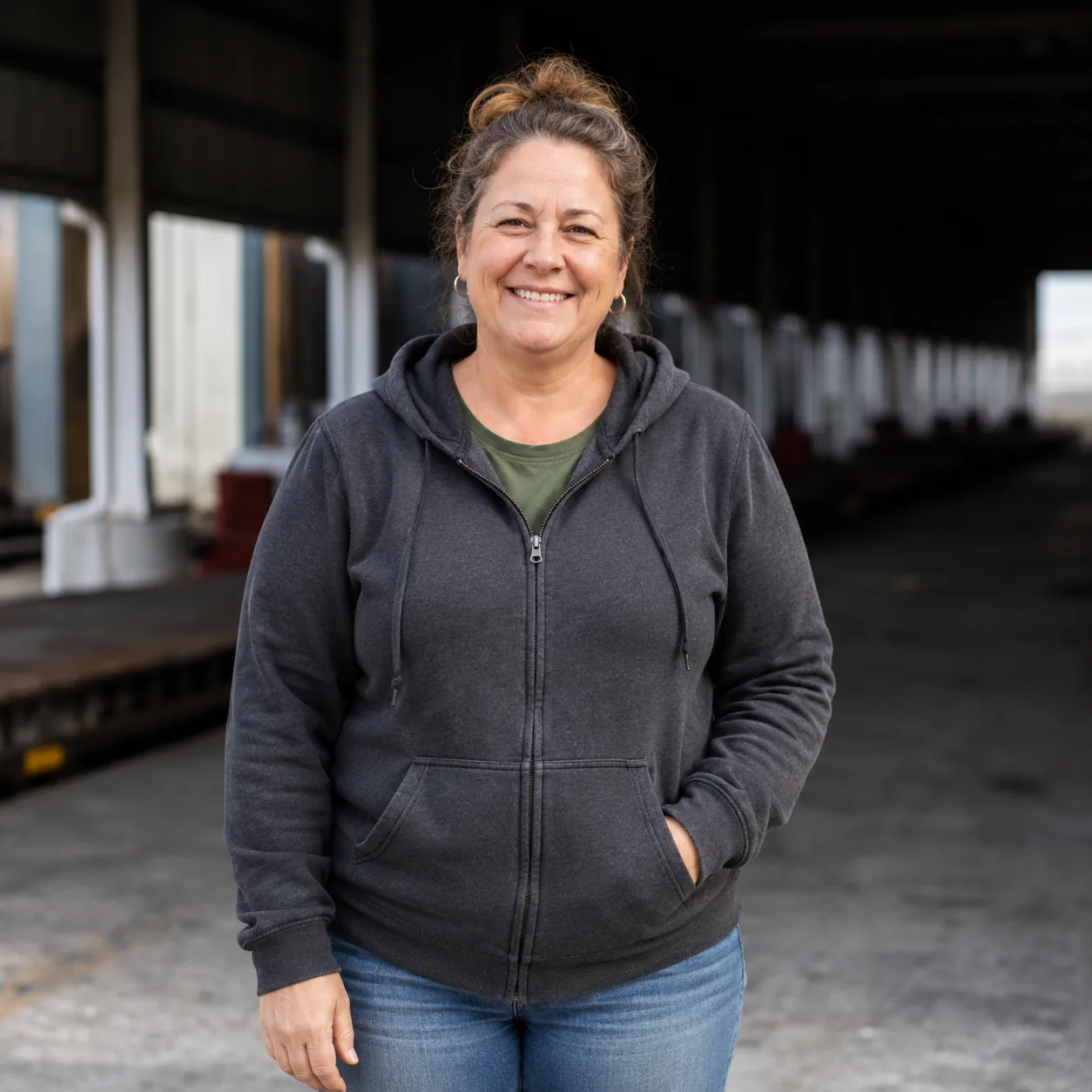
L. Brooks, 54 · Atlanta, GA
Office manager
Diagnosed with IBS six years ago. I'd tried every drugstore probiotic, every fiber capsule, every prescription. Nothing held. The bloating was so bad I'd unbutton my pants in the car. I started FlatFemme in October. By Thanksgiving I ate a normal-sized plate and went to the bathroom the next morning without thinking about it. My husband said "you look so much lighter," and he didn't mean weight.

Whitfield's Recommended Formula
Order FlatFemme
Gut-health debloat formula · FDA-registered facility · Natural ingredients
Order Now, 53% OFFOne last question. Why isn't FlatFemme sold in pharmacies or on Amazon?
"Two reasons. First, the manufacturer made a deliberate decision to keep distribution direct-to-consumer, which lets them control quality and reduce the risk of counterfeits. Second, staying independent lets them keep the formula and the ingredient sourcing the way they want it, rather than reformulating to fit big-retail requirements. So they chose to sell direct and keep it small-batch."
Her closing thought: "If any of the patterns in this article sound familiar, it's worth looking into. You can order FlatFemme here, and the discounted batch tends to sell out fairly quickly each month."
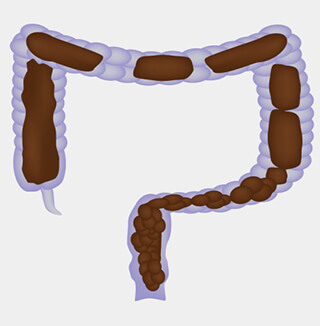
- More from The Longform -
What your stool is trying to tell you: a digestive health specialist's field guide


















K. S.
2 days ago
I'm 58 and I have literally every single one of those 11 symptoms. Every. Single. One. I've been telling my specialist for years and she just keeps saying "drink more water." I just ordered FlatFemme, fingers crossed.